




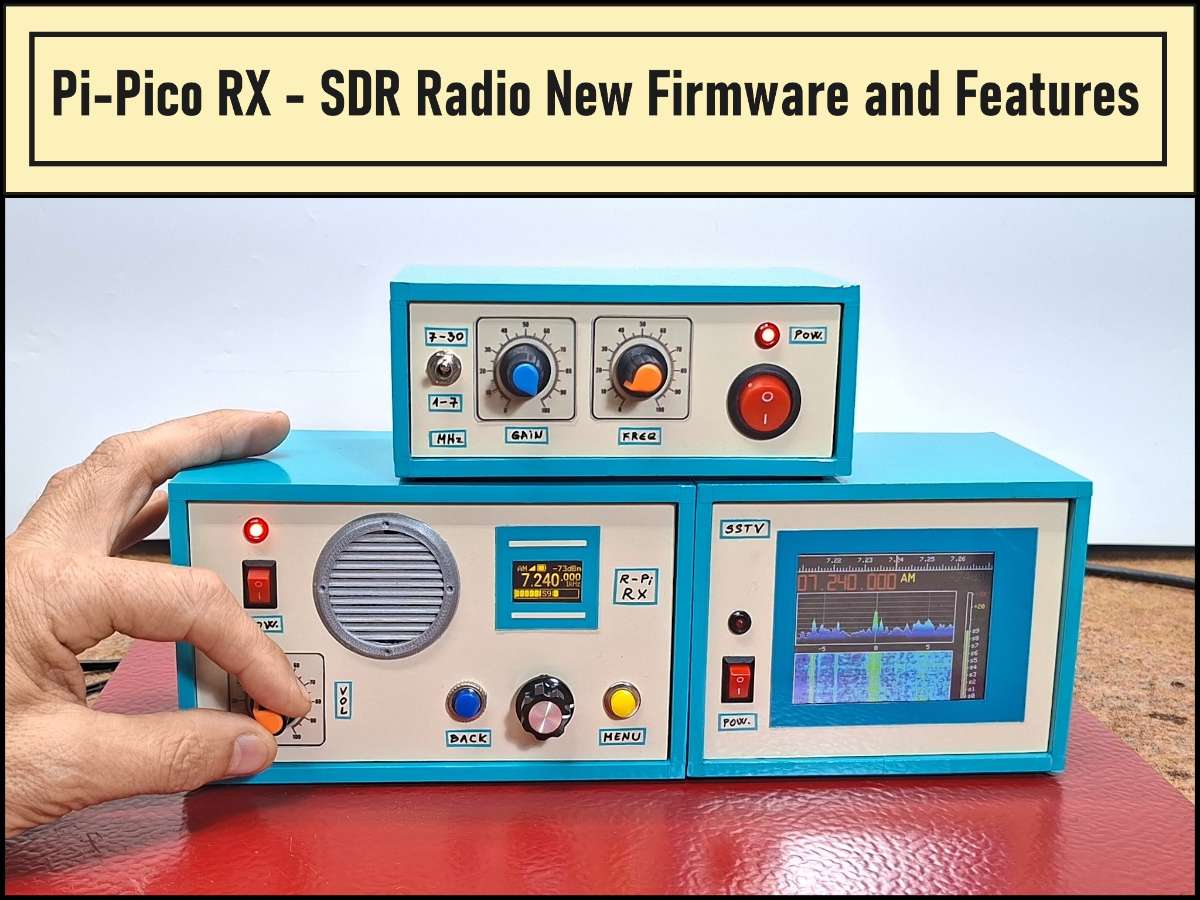
A few months ago I presented you a wonderful SDR radio project by DawsonJon 101 Things. In short, it is a simple SDR radio with a Raspberry Pi pico.
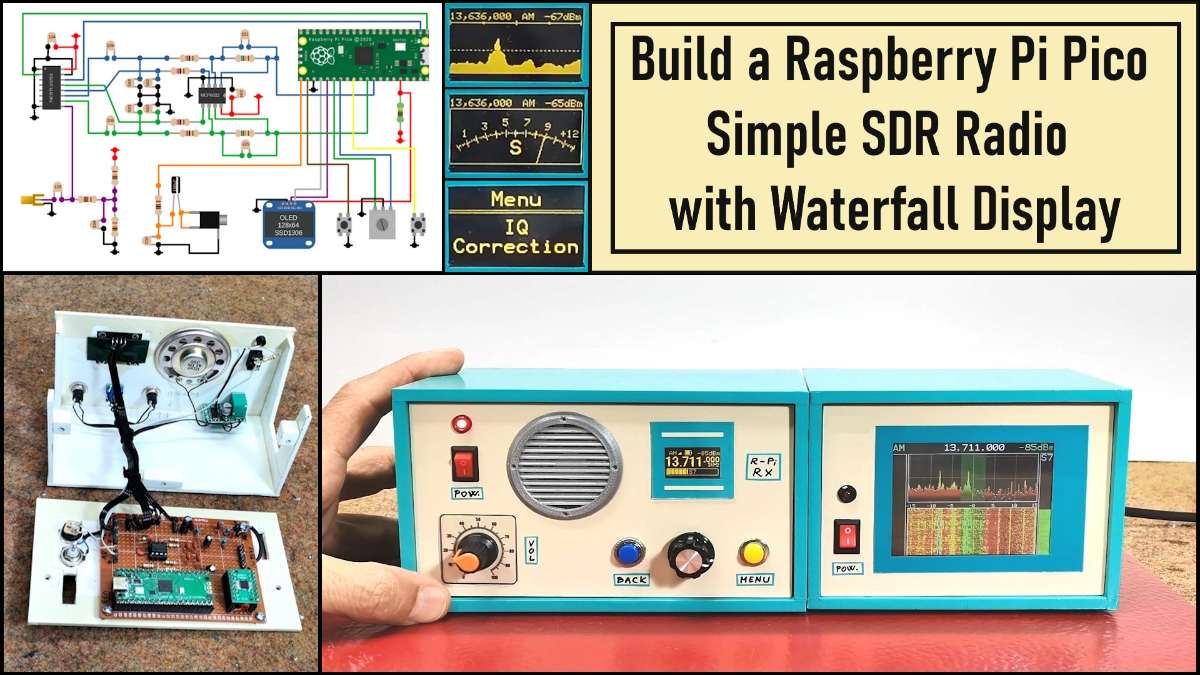
It has two displays: a small OLED for displaying the menu and frequency and a larger color TFT waterfall display. I made the device on a universal breadboard PCB and built it into a suitable box. The box with the TFT display is from a previous project of mine so I used it for this purpose. In the previously mentioned video you can see the method of making it, as well as a detailed description of the menu, functions and features of this receiver.
Meanwhile, the project is being developed with the support of the community and today's version has significant improvements compared to the first alpha version.
In this video I will present you those improvements in order:
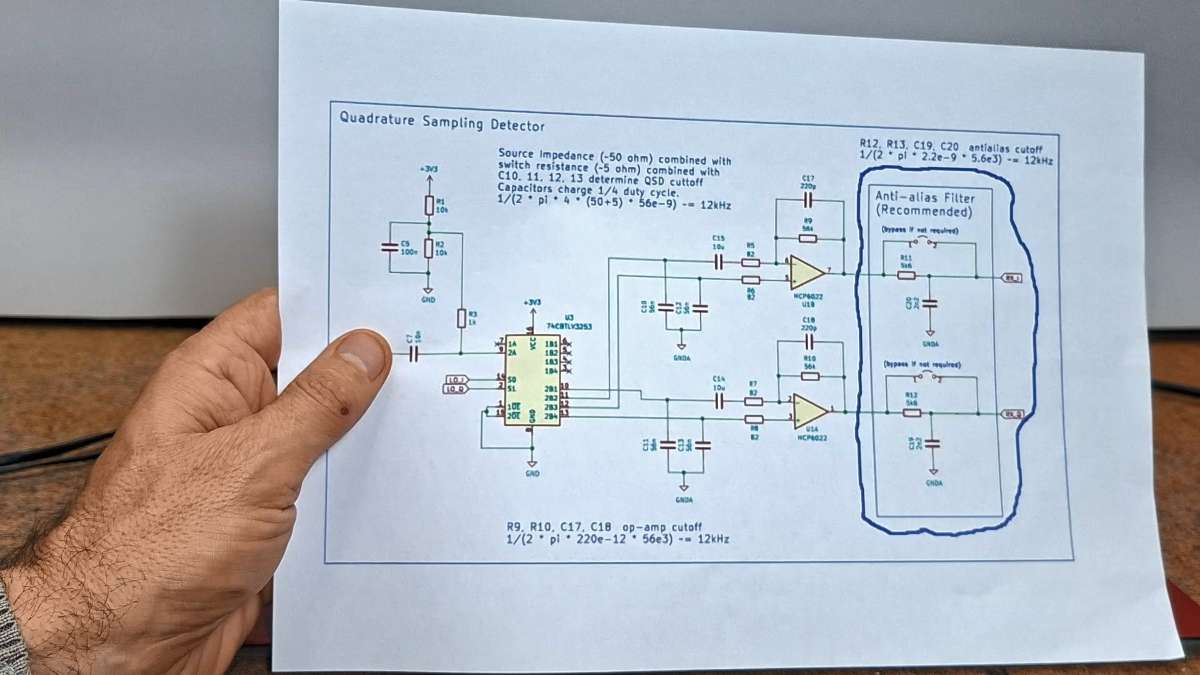
- The addition of another low-pass filter between the opamp and the microcontroller which consists of two resistors and two capacitors. This allows for a significant improvement in alias rejection.
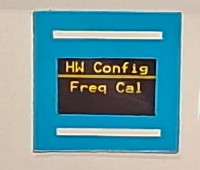
- The latest software introduces a frequency measurement feature that can make the calibration process easier. The receiver can be calibrated by tuning to an AM station with a known carrier frequency.
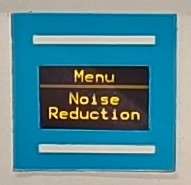
- Thanks to Mariusz Ryndzionek for contributing the noise reduction capability, especially the adaptive threshold function!
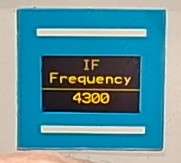
- Adjustable IF: The latest firmware provides the ability to override the default IF setting, allowing the user to choose their own IF frequency, and an option to change the behaviour so that the NCO is always below or above the dial frequency.
- Tone control functions
.jpg)
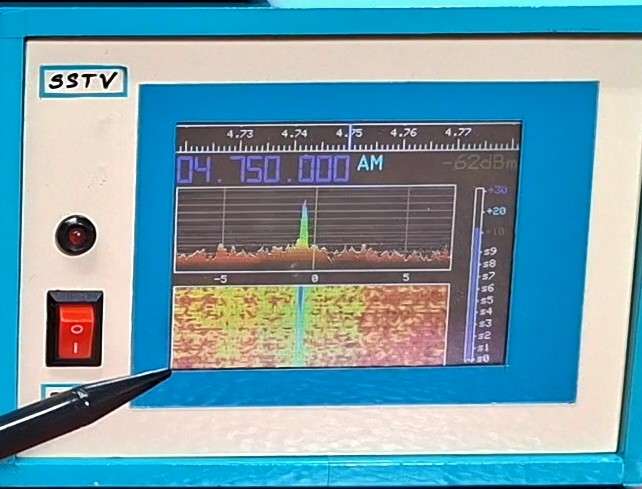
- Secondary TFT display that is used to display a spectrum scope and waterfall. There have been some visible enhancements to the user interface, including a retro-style tuning dial and signal strength indicator. Behind the scenes, the TFT driver has been extensively reworked to improve reliability and performance.
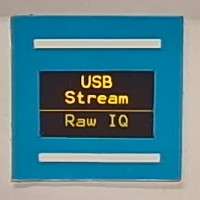
- The latest software release includes the ability to stream raw IQ data from the receiver to the PC. The data is taken after the FFT filter, but before the demodulator. In this mode, the receiver appears as a stereo audio source with the left channel carrying I samples and the right channel carrying Q samples. The audio hasn't been demodulated, so you can't listen to it directly, but it does allow compatibility with a range of SDR software
- Now the receiver has an Integrated SSTV Decoder and it directly decodes SSTV signals on TFT display.
- The receiver uses a PIO-based oscillator to drive the Quadrature Sampling Detector. Probably the most common method for generating a quadrature oscillator is to use an SI5351 clock generator. The receiver now has support for an external SI5351 oscillator, which is not the case in this particular device.
.jpg)
Now let's turn on the receiver to see the difference in some segments compared to the previous project.
The large TFT display with improved waterfall dynamics and a characteristic retro scale is immediately noticeable.
During the video you can notice that the received signal is relatively weak, and the reason for that is that I was currently using a regular long wire antenna because I had a problem with my LOG antenna. For that reason I also used preselector, the making of which you can see in one of my previous videos
And finally a short conclusion. With the new retro-style tuning dial and improved waterfall dynamics, the user interface is now as impressive as the receiver's performance. These visual upgrades, paired with the new noise reduction and calibration features, make this a must-build project for radio enthusiasts.
Code at: https://github.com/dawsonjon/PicoRX/releases


